
Japanese Gastric Cancer Association
Greetings from the President
It is a great honor for me to assume the position of President of the Japanese Gastric Cancer Association. The Association, founded in 1962 as the Gastric Cancer Research Society, has long been dedicated to advancing both basic and clinical research in gastric cancer.
Through the development of the Japanese Classification of Gastric Carcinoma, the publication of treatment guidelines, and the nationwide gastric cancer registry, our Association has played a central role in improving the quality of gastric cancer care in Japan and has made significant contributions to the global field.
In recent years, the landscape of gastric cancer has been changing considerably. While the incidence of gastric cancer in Japan has gradually declined, many cases are now detected at an early stage through screening programs, and endoscopic treatment has become a well-established therapeutic option. At the same time, the number of elderly patients and complex, technically challenging cases has increased, and minimally invasive approaches, including laparoscopic and robotic surgery, have become widely adopted. Advances in systemic therapy, such as molecular targeted agents and immune checkpoint inhibitors, have further improved clinical outcomes, and the importance of biomarker-driven personalized treatment strategies continues to grow.
Despite these advances, several important challenges remain. In particular, peritoneal metastasis continues to represent a major unmet medical need, and the development of new therapeutic strategies is urgently required.
In addition, the education of young physicians and the acquisition of surgical skills in an era of declining case volumes are critical issues. To address these challenges, our Association has established a certification system for institutions to ensure the quality of gastric cancer care. Moving forward, we will continue to enhance this system while also discussing the future framework for specialist training in gastric cancer.
Our responsibilities are also expanding to include the dissemination of information to patients and the public, as well as strengthening collaboration with related academic societies both domestically and internationally.
While the environment surrounding gastric cancer care will continue to evolve, we are committed to building upon the strong tradition and achievements of our Association. We aim to create an academic platform that is both attractive and beneficial for the next generation of physicians, and to further advance gastric cancer care and improve patient outcomes.
I sincerely appreciate the continued guidance and support of all our members.
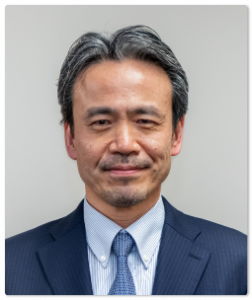
March, 2026
Daisuke Ichikawa,
President, Japanese Gastric Cancer Association, President
First Department of Surgery, Faculty of Medicine, University of Yamanashi